

In the fast-paced world of startups, staying ahead in recruitment is like surfing a wave that’s always changing. From AI-powered tools that sift through millions of candidates in minutes to transparency in salary and stock options that reshape negotiation tables, the hiring landscape in 2026 is both exciting and challenging. Imagine landing a tech job without a cover letter or recruiters that act more like strategic assistants than gatekeepers — it’s already happening. This blog dives into the quirks, innovations, and real stories from the trenches of startup hiring.
AI Revolution in Startup Recruitment
The startup hiring landscape in 2026 is being transformed by the rapid adoption of AI-powered screening and recruitment tools. As startups face increasing pressure to find high-quality candidates with specialized skills, artificial intelligence is stepping in to streamline the process and raise the bar for hiring standards. According to recent research, 55% of companies now use AI tools in recruitment for tasks like resume screening and interviews, and the impact is reshaping how startups connect with talent.
AI Recruiters: Scanning Millions for Top Talent
Modern AI recruiter technology can scan hundreds of millions of candidate profiles in seconds, identifying the best matches based on a startup’s unique requirements. Platforms like Wellfound leverage AI to filter vast talent pools, ensuring founders and hiring managers see only the most relevant applicants. This approach eliminates the need for third-party recruiters and allows startups to connect directly with candidates, saving time and reducing costs.
"AI is reshaping startup hiring by making recruitment smarter and faster." – Career Directors
Smarter Sourcing: AI Resume Scoring and Outbound Sequencing
Tools such as AI resume scoring and outbound sequencing have become essential for startups looking to optimize their sourcing and hiring processes. AI resume scoring evaluates applications against job requirements, ranking candidates based on skills, experience, and cultural fit. Outbound sequencing automates personalized outreach, engaging top prospects and scheduling interviews efficiently. These tools not only speed up the hiring cycle but also improve the quality of hires by focusing on data-driven matches.
AI-powered screening filters applications with greater accuracy.
Outbound sequencing tools automate candidate engagement.
AI resume scoring ranks applicants for faster, smarter decisions.
Quality Over Quantity: AI in a Competitive Market
While overall recruiting volumes are lower than previous peaks, startups are raising their expectations for candidate quality. AI recruitment tools integrate seamlessly with popular applicant tracking systems (ATS) like Workday and Greenhouse, allowing startups to manage the entire hiring process from a single platform. This integration ensures that every application is evaluated consistently and efficiently, reducing the risk of missing out on top talent.
Despite the efficiency gains, the demand for specialized skills remains high. Research indicates that AI/ML specialists represent 10-15% of all startup hires in 2026, reflecting the growing importance of artificial intelligence and machine learning expertise in the tech sector. However, even as AI creates new job opportunities, 77% of companies still struggle to find the talent they need—especially for highly specialized roles.
Cost-Effective, Scalable Solutions
Platforms like Wellfound are leading the way by offering AI-backed recruitment at a fraction of traditional agency costs. Their AI recruiter, for example, scans over 500 million candidates, calibrates matches to a company’s specific needs, and schedules interviews—all within days. This level of automation and intelligence is helping startups compete for top talent without breaking the bank.
In summary, the AI revolution in startup recruitment is making it easier for founders to find, evaluate, and hire the best candidates. As AI-powered screening and smart sourcing tools become the norm, startups are better equipped to meet rising expectations and secure the specialized talent that drives innovation.
The Rise of Remote and Hybrid Work Models
The landscape of startup hiring in 2026 is defined by the steady rise and stabilization of remote and hybrid work models. As startups continue to compete for top talent, remote work trends are shaping not just where employees work, but how companies attract, engage, and retain their teams. According to recent data, 40% of new startup positions now offer remote work options, signaling a significant shift that has settled after the explosive growth seen in earlier years. This stabilization marks a new normal for the startup ecosystem, where flexibility is no longer a perk but an expectation.
Hybrid Work Autonomy: The Preferred Model
While remote work remains a major draw, the data reveals a clear preference for hybrid work autonomy. 29% of startup roles are now hybrid, blending on-site collaboration with the freedom of remote work. This approach offers the best of both worlds: employees benefit from face-to-face interactions and team synergy, while also enjoying the flexibility to work from home. For startups, hybrid models help maintain a strong company culture and foster innovation, all while meeting the evolving needs of their workforce.
Only 13% of startup jobs are fully remote, indicating that while remote work is highly valued, most startups see hybrid arrangements as the optimal balance. This trend is echoed in Wellfound’s job listings, where hybrid and remote roles consistently top the charts of candidate interest. As one industry leader put it,
"Remote and hybrid work models are here to stay and redefine how startups attract talent." – RiseWorks
Remote Work Reshapes Startup Culture
The shift toward remote and hybrid work has fundamentally changed startup hiring trends and company culture. Startups are now more transparent about their work models, with job seekers able to view salary, stock options, and remote flexibility upfront before applying. This transparency empowers candidates to make informed decisions and encourages startups to offer competitive packages that highlight remote work benefits.
For job seekers, remote flexibility is a key benefit. Many now prioritize roles that offer autonomy over where and how they work. Platforms like Wellfound have responded by making it easier than ever to connect directly with founders, apply with a single click, and access unique startup opportunities that emphasize remote and hybrid options.
40% of new startup positions offer remote work options, reflecting a stabilized trend after initial rapid growth.
29% of startup roles are hybrid, effectively blending on-site and remote work for greater autonomy and collaboration.
13% of startup jobs are fully remote, showing a clear preference for hybrid models within the startup community.
Candidate Expectations and Recruitment Strategies
As remote work trends continue to influence startup hiring, both candidates and recruiters are adapting. Job seekers expect clarity and flexibility, while startups leverage remote and hybrid work models to broaden their talent pools and stand out in a competitive market. Tools like AI-driven recruiters and applicant tracking systems are streamlining the process, ensuring that both sides can connect efficiently and transparently.
Ultimately, the rise of remote and hybrid work autonomy is not just a passing trend—it’s a defining feature of startup hiring in 2026, reshaping the way companies and candidates approach work, culture, and growth.
Transparency and Efficiency: New Norms in Job Applications
The startup hiring landscape in 2026 is being shaped by a new set of expectations—chief among them, transparency and efficiency. Job seekers and recruiters alike are gravitating toward platforms and processes that prioritize clear communication, upfront information, and streamlined workflows. This shift is especially evident in the growing emphasis on salary transparency startups and the adoption of applicant tracking systems that make hiring faster and more equitable.
Salary and Equity Transparency: A New Baseline
One of the most significant changes in startup hiring is the move toward compensation transparency. Platforms like Wellfound now provide candidates with detailed information about salary ranges, stock options, and other benefits before they even apply. This upfront approach eliminates guesswork and empowers job seekers to make informed decisions. As Wellfound notes,
"Compensation transparency levels the playing field for both job seekers and startups."
Candidates can research salary data by job title, industry, and company size, ensuring they are prepared to negotiate and understand their market value. This level of transparency not only attracts top talent but also drives higher satisfaction and trust between employers and potential hires.
Streamlined Application Processes: Goodbye Cover Letters
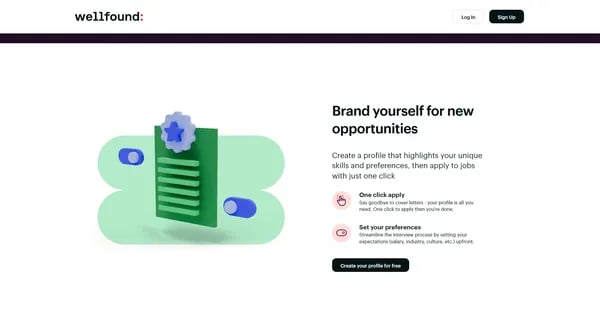
The days of lengthy, repetitive cover letters are quickly fading. In 2026, startups are adopting profile-based application systems where a candidate’s online profile serves as their primary introduction. With platforms like Wellfound, applicants can apply to jobs with a single click, using their curated profile to showcase skills and experience. This shift saves time for both candidates and recruiters, reducing friction and making the process more accessible. For job seekers, this means less paperwork and more focus on finding the right fit.
Efficiency for Recruiters: Free ATS and Integrated HR Tools
Recruiters are also reaping the benefits of this new era. Free applicant tracking systems (ATS) and integrated HR platforms are now standard offerings. Startups can set up job posts, company branding, and essential HR tools in minutes, often at no cost. These systems help manage the entire hiring process, from posting jobs to tracking applicants and scheduling interviews. Wellfound’s RecruiterCloud AI takes this a step further by scanning a vast pool of over 500 million candidates, filtering based on unique requirements, and automatically scheduling interviews. This automation reduces recruiter workload and accelerates time-to-hire.
Boosting Candidate Visibility: No-Cost Profile Highlighting
Another key trend is the ability for candidates to be featured and highlighted to top recruiters at no charge. By opting into these programs, job seekers can increase their visibility and be matched with unique opportunities that might not be advertised elsewhere. This feature is especially valuable in the competitive startup market, where standing out can make all the difference.
Upfront salary and equity data empowers candidates and streamlines negotiations.
One-click applications and profile-based submissions eliminate traditional barriers.
Free ATS and AI-driven scheduling tools boost recruiter efficiency and reduce manual tasks.
No-cost candidate highlighting increases access to exclusive startup jobs.
The startup job market’s embrace of transparency and efficiency is redefining what both job seekers and recruiters expect from the application process. With compensation transparency and advanced applicant tracking systems at the forefront, startups are setting new standards for hiring in 2026.
Top Emerging Roles and Industry Focus for 2026
The startup ecosystem is evolving rapidly, and 2026 is shaping up to be a landmark year for new career opportunities and industry focus. As companies race to innovate and scale, the demand for specialized talent is surging, especially in roles that drive product and marketing innovation. According to recent startup ecosystem trends, two positions are standing out as the fastest growing careers: AI Product Manager and Digital Marketing Strategist.
AI Product Managers: Leading the Next Wave of Innovation
AI Product Managers are quickly becoming essential in tech-driven startups. With the rise of artificial intelligence across industries, these professionals bridge the gap between technical teams and business goals. Their responsibilities include defining AI product roadmaps, collaborating with engineers, and ensuring that AI solutions align with user needs and market demands. As USC Online notes:
"The future belongs to those who lead in AI product management and marketing innovation."
Startups are offering competitive compensation to attract this talent, with AI/ML Engineer salaries ranging from $240k–$280k. This reflects the high value placed on those who can manage and scale AI-powered products.
Digital Marketing Strategists: Shaping Brand Growth
As digital channels become more crowded, the role of the Digital Marketing Strategist is more critical than ever. These strategists design and execute campaigns that cut through the noise, leveraging data analytics, content creation, and growth hacking techniques. Their expertise is vital for startups seeking to build brand awareness and acquire users efficiently in a competitive landscape.
Specialized Engineering Roles in High Demand
AI/ML Engineers: Powering intelligent products and automation.
Platform Engineers: Building scalable, reliable tech infrastructure.
Security Experts: Protecting startups from evolving cyber threats.
These technical roles command some of the highest salaries in the startup world and are integral to product development and company growth.
Industry Focus: Space Tech, Crypto, and Women-Led Startups
Several emerging sectors are capturing both investor and job seeker attention:
Space Tech: Privatized spaceflight and satellite startups are hiring remotely, offering unique roles for engineers and operations specialists.
Crypto: Blockchain and crypto startups continue to expand, with remote-first teams and a need for both technical and regulatory expertise.
Women-Led Startups: Diversity in leadership is driving economic impact, with women-led businesses generating $1.8 trillion in the US alone. These companies are expanding remote teams and often prioritize inclusive cultures.
Community Insights and Data-Driven Decisions
Platforms like Wellfound are empowering job seekers by providing upfront information on salary, stock options, and company culture. Candidates can research by job title, industry, and company size to find their ideal fit and negotiate confidently. Community-driven insights highlight trending startups and industries to watch, helping professionals stay ahead of the curve in 2026.
Overall, the fastest growing careers and startup ecosystem trends point to a future where AI leadership, digital marketing expertise, and specialized engineering skills are in high demand. Emerging sectors like space tech, crypto, and women-led startups are shaping the next wave of innovation and opportunity.
From Job Seeker to Recruiter: Real Voices and Experiences
In the fast-evolving world of startup hiring trends, the experiences of both job seekers and recruiters are changing rapidly—driven largely by AI-powered screening and a push for greater transparency. Platforms like Wellfound have become central to this transformation, offering a more human-centered approach that is resonating with users on both sides of the hiring equation.
For job seekers, the appeal is clear. The days of submitting endless cover letters and navigating opaque application processes are fading. Instead, candidates can now connect directly with startup founders, view salary ranges and stock options upfront, and apply to unique opportunities with a single click. This shift toward transparency and simplicity is a game-changer. As one tech candidate shared,
"I can't imagine my day without this platform."
The intuitive UI and direct access to decision-makers not only streamline the job search but also empower candidates to make informed choices about their next career move.
Salary transparency and company culture insights have become non-negotiable for today’s talent. Platforms are responding by providing detailed information before the application stage, allowing candidates to research by job title, industry, and company size. This aligns with broader job search trends that prioritize authenticity and informed decision-making. As a result, job seekers report higher satisfaction and better alignment with their chosen roles. One user noted, “I got my tech job on Wellfound four years ago and I’m still happy! Pays well, great culture, and unlimited PTO.”
On the recruiter side, AI-powered tools are reshaping traditional hiring processes. With access to a community of over 10 million startup-ready candidates, recruiters can now leverage advanced features like RecruiterCloud AI. This technology scans over 500 million profiles, filters candidates based on unique requirements, and even schedules interviews—drastically reducing manual effort and time-to-hire. The impact is tangible:
"Half of the offers I give are sourced from Wellfound."
reported one startup recruiter, highlighting the platform’s effectiveness in surfacing high-quality talent.
Recruiters also benefit from seamless integration with applicant tracking systems and free HR tools, making it easier than ever to manage the entire hiring process. The combination of AI-powered screening and user-friendly interfaces means recruiters can focus on building relationships and evaluating fit, rather than getting bogged down in administrative tasks. This not only improves hire quality but also enhances the overall experience for both parties.
Authentic user feedback underscores how these platforms are redefining what it means to find and fill startup roles. Candidates value the ability to “apply to be featured” and let opportunities come to them, while recruiters appreciate the speed and precision of AI-driven matching. The result is a more transparent, efficient, and satisfying hiring journey for everyone involved.
As we look ahead to 2026, it’s clear that startup hiring trends will continue to be shaped by AI-powered screening, transparent job search processes, and a commitment to user experience. The voices of real users—both job seekers and recruiters—confirm that these innovations are not just trends, but lasting improvements that are making the startup ecosystem more accessible, equitable, and dynamic than ever before.