


Amazon S3 provides a cost-effective, scalable alternative where you only pay for what you use, without a fixed monthly fee. This video series shows you step-by-step how to get started, configure settings, create buckets, save on bandwidth, and much more. Learn insider tactics and grow your business with confidence.
Did You Know?
Amazon S3 stores over 100 trillion objects and processes millions of requests per second, making it one of the most reliable and scalable storage services worldwide.
Source: Amazon Web Services
Understanding the Challenge with Traditional Webhosting
Traditional webhosting services have long been the go-to solution for businesses looking to establish an online presence. However, many organizations find themselves trapped in costly contracts with minimal flexibility. The main challenge is the fixed monthly fee structure that most webhosts enforce. Whether you use 1GB of bandwidth or 100GB, you often pay the same price on plans like Bluehost or HostGator’s shared hosting, which usually start around $15 per month. This rigid pricing can lead to significant overpayment for businesses that don't fully utilize their allocated resources.
Moreover, hidden fees frequently complicate the cost equation. Many companies advertise “unlimited” bandwidth and storage, but in reality, this is a marketing tactic. Providers impose restrictions behind the scenes, and going beyond these limits results in unexpected charges for overages or add-on services. These concealed costs create financial unpredictability, making it hard for businesses to budget accurately for webhosting expenses.
Scalability also remains a frustrating hurdle. Upgrading to a dedicated server from providers like GoDaddy can be expensive, with monthly fees shooting upwards of $120. Plus, the technical challenges of migrating to more powerful servers often require professional assistance, further increasing costs. This makes it tough for small to medium-sized businesses to seamlessly adapt their hosting resources as they grow.
Another significant drawback is vendor lock-in. Once a website is hosted with a traditional provider, migrating to another service can be a cumbersome and risky process. Many users stay locked in with providers because migrating files and settings is time-consuming and requires technical expertise they may lack. This dependency benefits the webhosting companies who rely on the inertia of their clients to maintain steady revenue streams.
If you are frustrated with paying for unused capacity or the complexity of traditional hosting plans, consider that the solution lies in more flexible, cost-effective platforms like Amazon S3. Amazon S3’s pay-as-you-go model allows businesses to only pay for the bandwidth and storage they actually consume, without the burden of hidden fees or rigid plans. This approach saves money and offers scalability tailored precisely to your needs.
Why Choose Amazon S3 for Your Business
Amazon S3 (Simple Storage Service) revolutionizes how businesses manage their data storage by providing a highly scalable, secure, and cost-effective cloud storage solution. Unlike traditional hosting that charges fixed monthly fees and bundles resources that many businesses never fully utilize, Amazon S3 offers a pay-as-you-go model that aligns directly with your storage needs and usage patterns, ensuring significant cost savings.
Traditional web hosting often involves “unlimited” packages where customers pay a flat rate for bandwidth and storage, but most users only consume a small fraction of that capacity. This lack of transparency means many businesses end up overpaying for unused resources. Amazon S3 eliminates this inefficiency by charging exactly for the storage consumed, the data transferred, and requests made. This model empowers businesses to optimize costs dynamically as they grow or scale down, without the trap of wasted expenses.
Furthermore, Amazon S3 provides unmatched scalability. Whether you’re hosting a personal website with a few gigabytes or managing petabytes for a global enterprise, S3’s architecture automatically handles scaling without any manual intervention or server management. This means you never have to worry about your storage limits as your business grows, and you benefit from continuous high availability and reliable performance backed by Amazon’s global infrastructure.
Security is another core advantage. Amazon S3 is designed with multiple layers of protection, including encryption both at rest and in transit, fine-grained access controls through AWS Identity and Access Management (IAM), and compliance with rigorous standards such as HIPAA, PCI-DSS, and GDPR. These features provide peace of mind for businesses handling sensitive or regulated data.
Integration with the broader AWS ecosystem makes Amazon S3 a powerful foundation for modern cloud applications. It seamlessly pairs with AWS Lambda for event-driven computing, Amazon CloudFront for global content delivery, and AWS Analytics services, among others, enabling complex workflows while simplifying infrastructure management and reducing operational overhead.
Top Reasons to Choose Amazon S3
Amazon S3 offers unmatched scalability, cost efficiency, and robust security, making it an ideal cloud storage solution for businesses of all sizes.
- ✓ Highly Scalable Storage
- ✓ Cost-Effective Pay-As-You-Go Pricing
- ✓ Robust Security and Compliance
- ✓ Seamless Integration with AWS Ecosystem
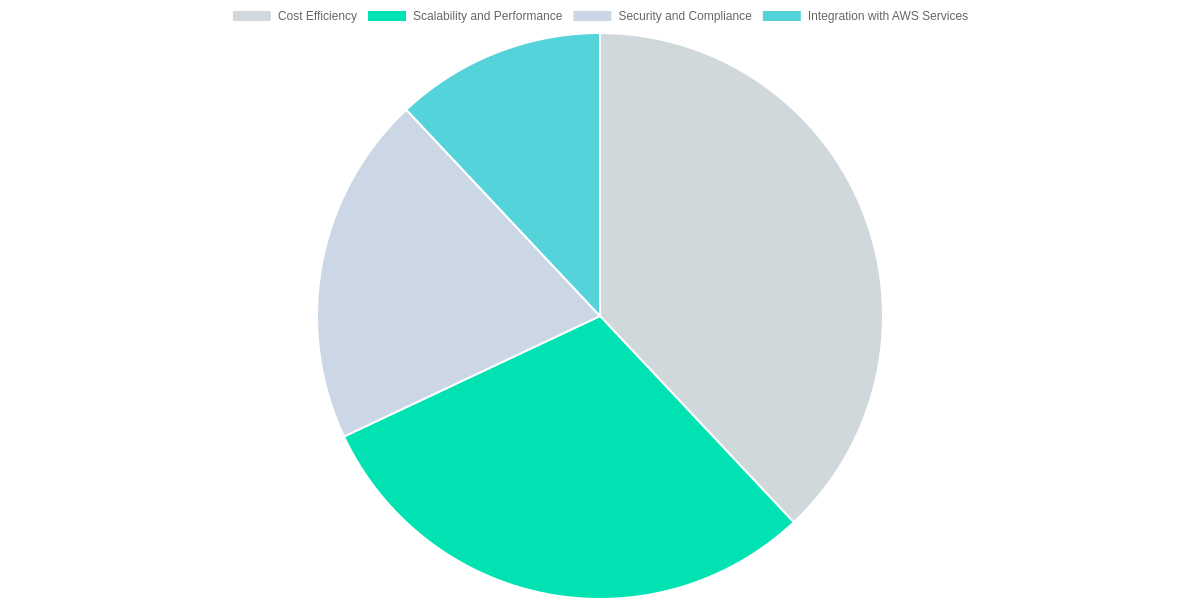
Cost efficiency is a primary driver for many businesses switching to Amazon S3. According to industry data, approximately 38% of organizations select S3 primarily due to its cost benefits. This cost advantage comes from avoiding upfront hardware investments, eliminating ongoing maintenance fees, and controlling expenses through granular usage-based billing. When compared to traditional fixed hosting contracts, Amazon S3’s economic model can reduce storage costs by up to 50% or more depending on usage.
In addition to cost, 30% of users cite scalability and performance as top reasons to choose Amazon S3. The service supports millions of requests per second and automatic scaling without performance degradation, which is essential for businesses with fluctuating or unpredictable workloads.
Security and compliance remain a top priority as well, accounting for 20% of reasons businesses rely on Amazon S3. Companies in healthcare, finance, and other regulated industries trust S3’s robust data governance and encryption capabilities to meet stringent compliance standards.
The remaining 12% of users select Amazon S3 for its seamless integration with the vast suite of AWS services, allowing businesses to build sophisticated cloud-native applications quickly and cost-effectively.
Amazon S3’s unique approach contrasts sharply with traditional hosting where you rent fixed server space or bandwidth. With S3, storage can be increased or decreased instantly without needing to migrate data or reconfigure infrastructure. This flexibility reduces risks associated with server downtimes or capacity shortages and enables businesses to innovate faster while controlling costs.
In summary, Amazon S3 empowers businesses with a robust cloud storage platform that balances performance, security, and affordability. Companies looking to reduce hosting expenses, eliminate complicated contract commitments, and leverage a flexible infrastructure will find Amazon S3 a transformative solution to unlocking their business potential.
Getting Started with Amazon S3
Amazon Simple Storage Service (S3) is a robust cloud storage solution that offers scalable, secure, and cost-effective data hosting. Beginning your journey with Amazon S3 involves a few straightforward steps that ensure your business can leverage this powerful platform efficiently.
Creating Your AWS Account
The first step is to create an AWS account if you don’t already have one. Visit the AWS Management Console and sign up. The signup process requires basic information and payment details, but you can start with the AWS Free Tier to explore Amazon S3 without upfront costs. This grants you 5 GB of standard storage and a generous allocation of requests monthly, ideal for small to medium projects or trial purposes.
Navigating the Amazon S3 Interface
Once logged in, access the Amazon S3 service through the AWS Management Console. The interface provides an intuitive environment to manage your storage. The console offers step-by-step guidance, helping you navigate through bucket creation, uploading files, setting permissions, and monitoring usage. It integrates comprehensive dashboards that highlight storage metrics and request activity, empowering you with the control you need from day one.
Creating Buckets: The Backbone of S3 Storage
In Amazon S3, data is stored in containers known as 'buckets.' Each bucket acts as a top-level folder where you organize and secure your data. Creating your first bucket is straightforward. You start by choosing a globally unique bucket name and selecting the desired AWS region to optimize latency and cost. Then, you configure permissions, deciding who can access or modify your stored data. Amazon S3 offers detailed access policies and lifecycle rules that help automate data transitions across storage classes or deletion schedules, significantly simplifying data management.
Properly naming and configuring buckets at this stage is critical, as it lays the foundation for your storage strategy. You can create multiple buckets tailored for different types of data or applications, giving you flexibility and organizational clarity.
Create AWS Account
Sign up at AWS Management Console to access Amazon S3 services securely.
Access Amazon S3 Console
Navigate through AWS Management Console to locate and open the Amazon S3 section.
Create Your First Bucket
Define storage location, naming your bucket and setting permissions precisely to organize your data.
Understanding how Amazon S3 compares to other storage providers is helpful when deciding on the best solution for your business. Below is a comparison of key features related to getting started with Amazon S3, Google Cloud Storage, and Microsoft Azure Blob Storage.
| Feature | Amazon S3 | Google Cloud Storage | Microsoft Azure Blob Storage |
|---|---|---|---|
| Free Tier | 5 GB standard storage, 20,000 GET requests, 2,000 PUT requests per month | 5 GB standard storage, 5,000 class A operations, 50,000 class B operations per month | 5 GB hot and cool block blob storage, 20,000 read and 10,000 write operations per month |
| Ease of Setup | User-friendly AWS Management Console with step-by-step guidance | Simple setup via Google Cloud Console with integration options | Azure Portal provides guided setup with extensive documentation |
| Data Management | Flexible bucket policies and lifecycle rules | Object versioning and Lifecycle Management tools | Blob storage tiers and automated lifecycle policies |
| Pricing Model | Pay-as-you-go with detailed billing and cost allocation | Competitive pay-as-you-go with sustained use discounts | Pay-as-you-go with reserved capacity options |
| Region Availability | Available in 26+ regions globally | Available in 20+ global regions | Available in 60+ regions worldwide |